
Pediatric Physiotherapy is a highly specialized branch of healthcare dedicated to assessing, treating, and managing physical conditions that affect children from infancy all the way through adolescence. If you notice your child struggling to keep up with peers during sports, balancing poorly, or recovering from a playground injury, typing “pediatric physiotherapy near me” into a search engine is often the first step toward getting them the right support through customized pediatric physiotherapy services.
Let’s explore the distinct branches of this field, the conditions it addresses, and how therapeutic movement can transform a child’s functional independence.
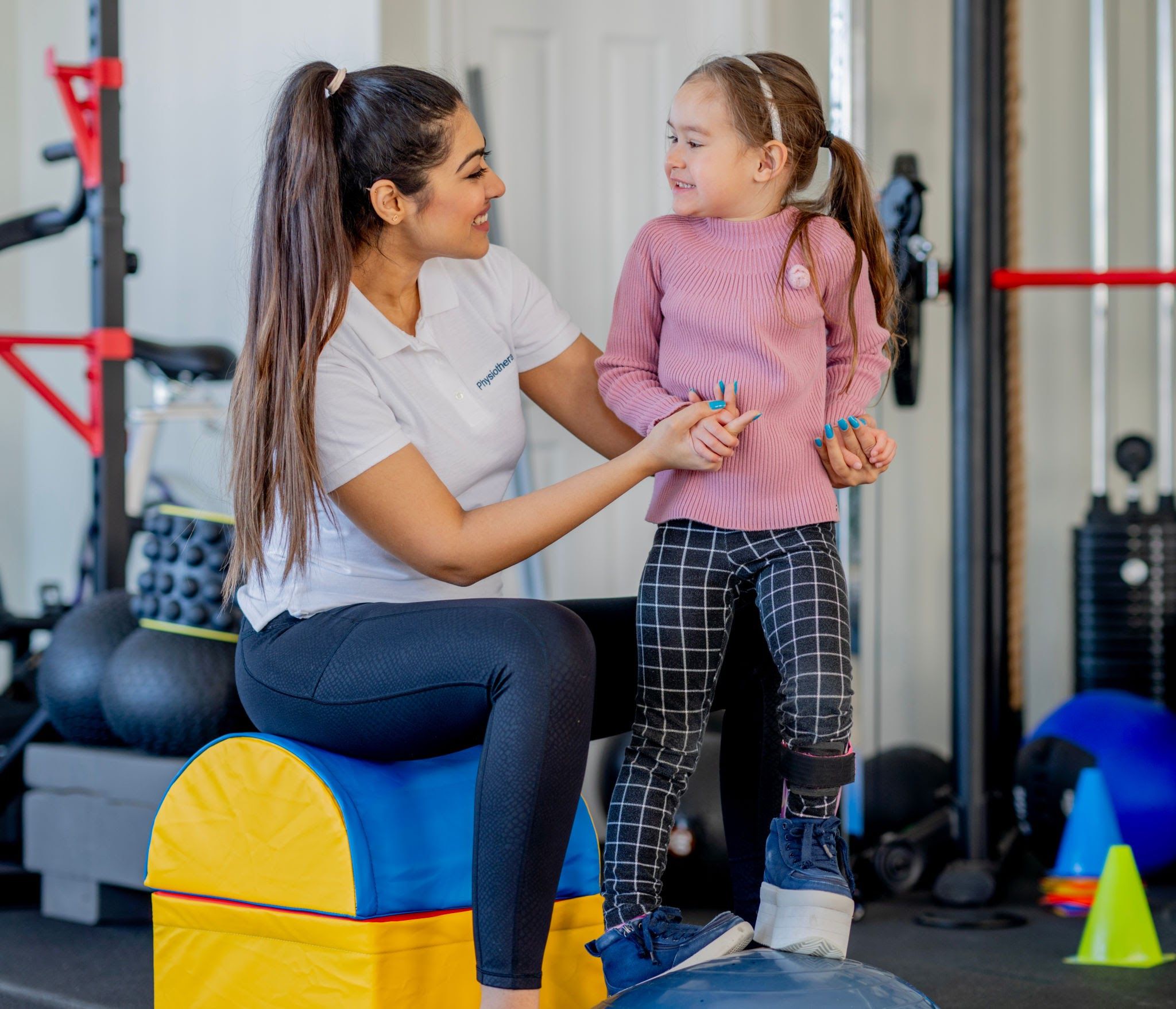
The Core Types of Pediatric Physiotherapy
Because children face a wide array of developmental, genetic, and physical challenges, treatment protocols are divided into distinct categories. Understanding the specific types of pediatric physiotherapy can help parents seek out the right clinical specialist for their child’s needs:
- Neurological Pediatric Physiotherapy: Focuses on children with damage or disorders of the brain and nervous system. The goal is to improve motor pathways, maximize neuroplasticity, and help the child achieve functional movement patterns.
- Musculoskeletal & Orthopedic Physiotherapy: Centers on structural, bone, and muscle issues. This includes treating growing pains, joint misalignments, post-fracture rehabilitation, or soft tissue injuries sustained during sports.
- Developmental & Coordination Therapy: Tailored for children who do not have a formal neurological diagnosis but struggle with gross motor skills, clumsy movements, or low muscle tone (hypotonia).
Common Pediatric Physiotherapy Conditions
Physiotherapists treat a broad spectrum of congenital, developmental, and acquired health issues. Some of the most frequently managed pediatric physiotherapy conditions in toddlers and school-aged children include:
| Category | Condition | Impact on the Child |
|---|---|---|
| Neurological | Cerebral Palsy (CP) | Affects muscle tone, posture, and coordination; physical therapy focuses on reducing spasticity and keeping joints flexible. |
| Genetic | Down Syndrome | Often presents with generalized hypotonia (low muscle tone) and joint hypermobility, leading to balance challenges. |
| Orthopedic | Juvenile Idiopathic Arthritis / Scoliosis | Causes joint inflammation or spinal curvatures that require targeted structural alignment and pain management. |
| Developmental | Developmental Coordination Disorder (DCD) | Often described as “dyspraxia,” this causes kids to appear unusually clumsy, trip frequently, or struggle with sports. |
Evidence-Based Pediatric Physiotherapy Exercises
A successful pediatric session rarely looks like an adult gym workout. Instead, therapists gamify rehabilitation to ensure compliance and high engagement.
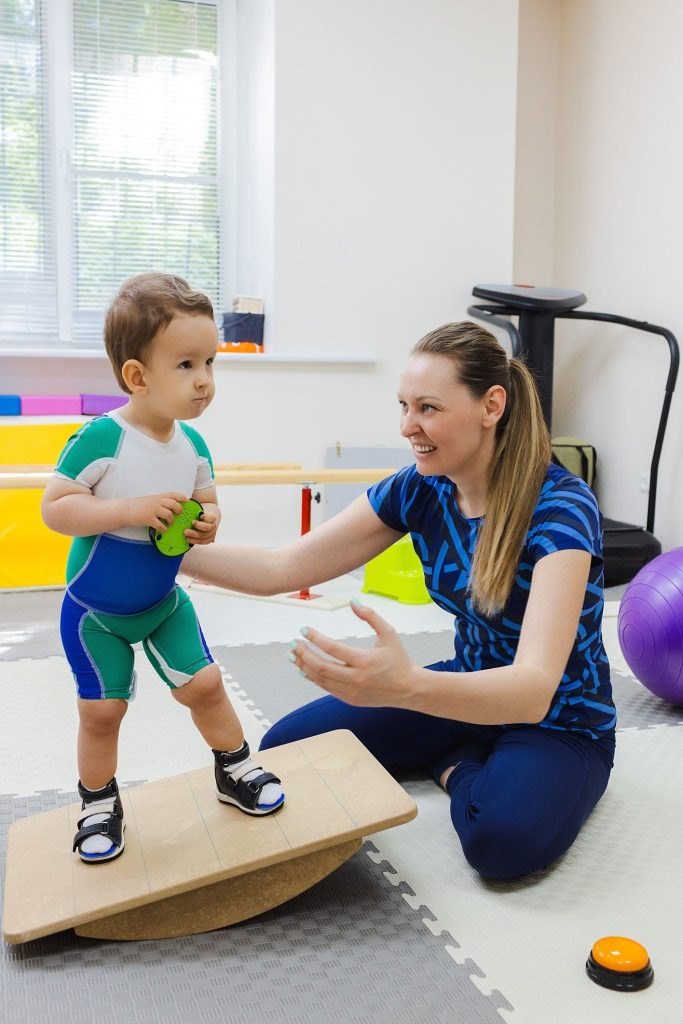
The specific pediatric physiotherapy exercises prescribed depend entirely on the child’s treatment goals, but they generally fall into three main functional buckets:
1. Neuromuscular Balance and Core Drills
To improve stability and spatial awareness, therapists use unstable surfaces like wobble boards, Swiss balls, and foam pads. Exercises like the “Superman pose” (lying on the belly and lifting arms and legs) build deep spinal and abdominal core strength, directly improving sitting posture at school desks.
2. Functional Strengthening Games
Instead of lifting weights, children use their own body weight through functional play. “Animal walks” are highly effective:
- The Bear Walk: (Moving on hands and feet with hips raised) builds shoulder girdle stability and hamstring flexibility.
- The Crab Walk: (Moving backward on hands and feet with belly facing up) strengthens the triceps, glutes, and lower back muscles.
3. Asymmetrical Stretching and Postural Correction
For children managing structural conditions like scoliosis or juvenile arthritis, targeted, gentle stretching prevents permanent joint contractures (muscle shortening). Therapists teach children how to use wall stretches and resistance bands safely without overstressing developing growth plates.
Advancing the Field: Pediatric Physiotherapy Courses
Because pediatric therapy requires a deep understanding of pediatric pathology, child psychology, and developmental neurology, it demands continuous learning.
Medical professionals and general physical therapists looking to specialize in this rewarding area frequently enroll in advanced pediatric physiotherapy courses. These specialized academic pathways offer deep-dive training in protocols like Neurodevelopmental Treatment (NDT), pediatric kinesio-taping, and handling techniques for fragile musculoskeletal frames.
Parent Tip: When selecting a practitioner, always verify that your therapist has completed accredited postgraduate training specific to pediatrics, ensuring your child receives safe, age-appropriate, and evidence-based interventions.
Schedule a Pediatric Assessment Today
If your child needs support achieving their developmental goals or recovering from a physical injury, early intervention makes all the difference. Contact our specialized team at Physiotherapy Home Service BD to arrange a clinical evaluation or in-home session tailored completely to your child’s requirements.